Product Introduction
Independent review for Channel HouseFresh. This video is not sponsored.

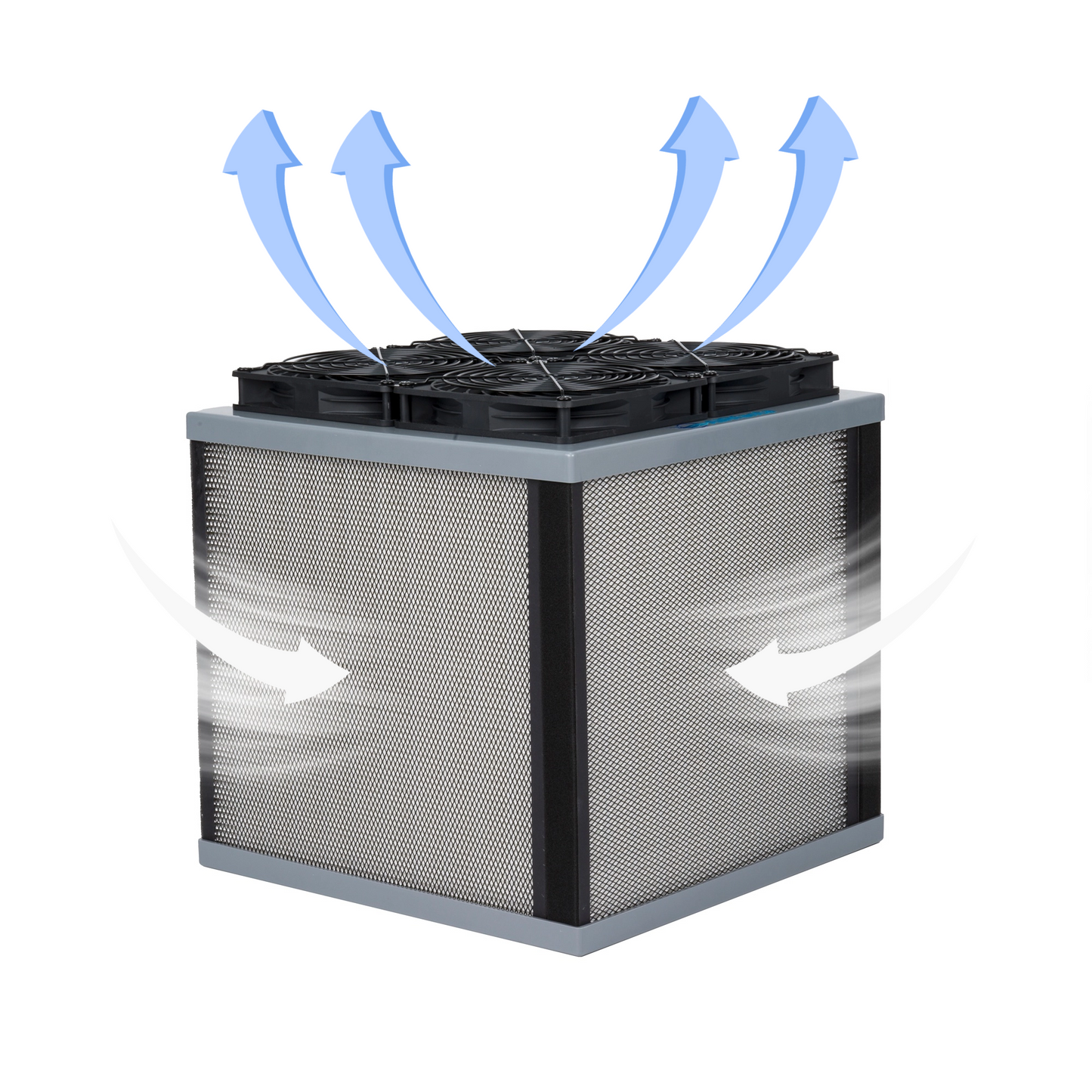
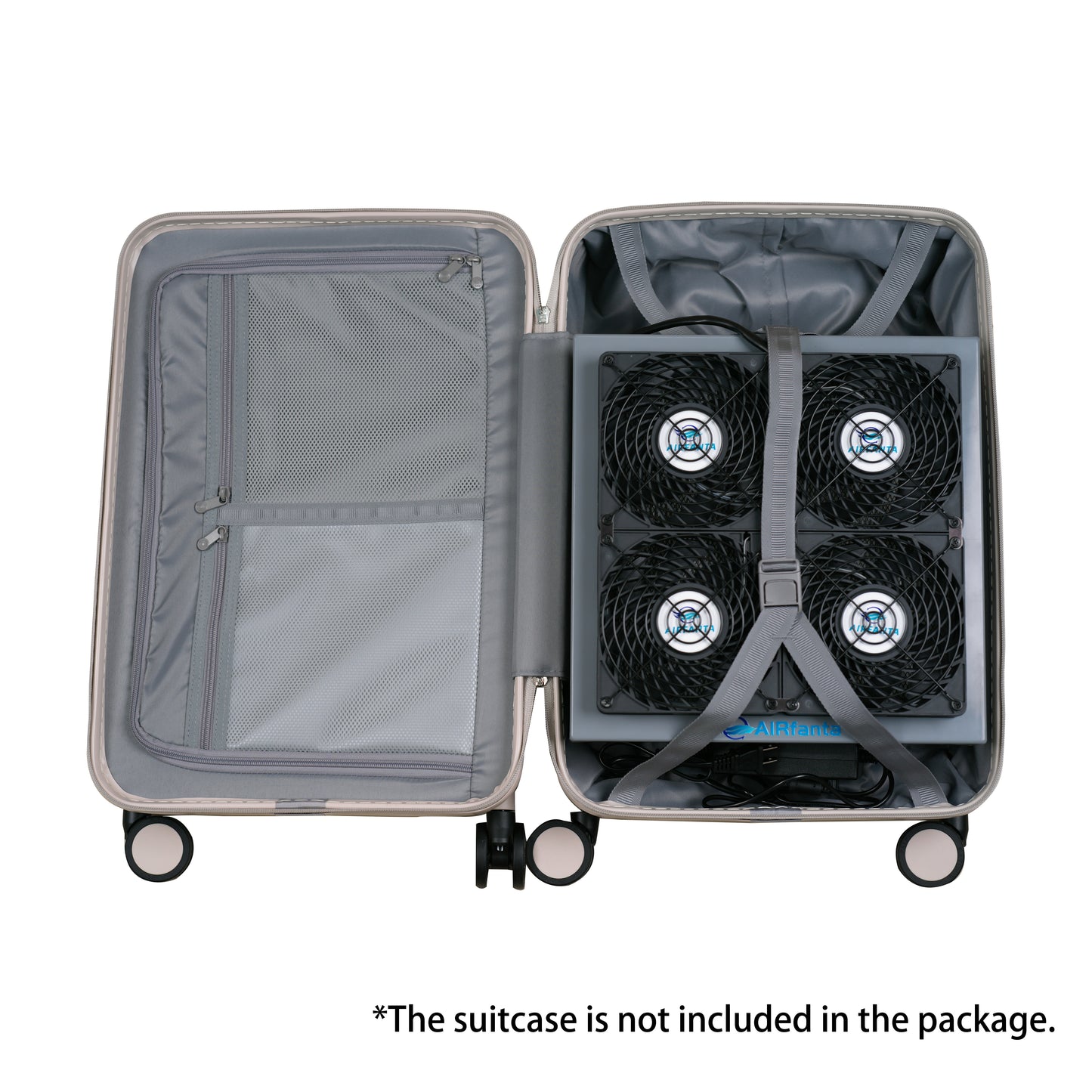
Demonstration of exceptional smoke purification ability and portability

Third Party Testing for 3Pro
User manual
About This Item
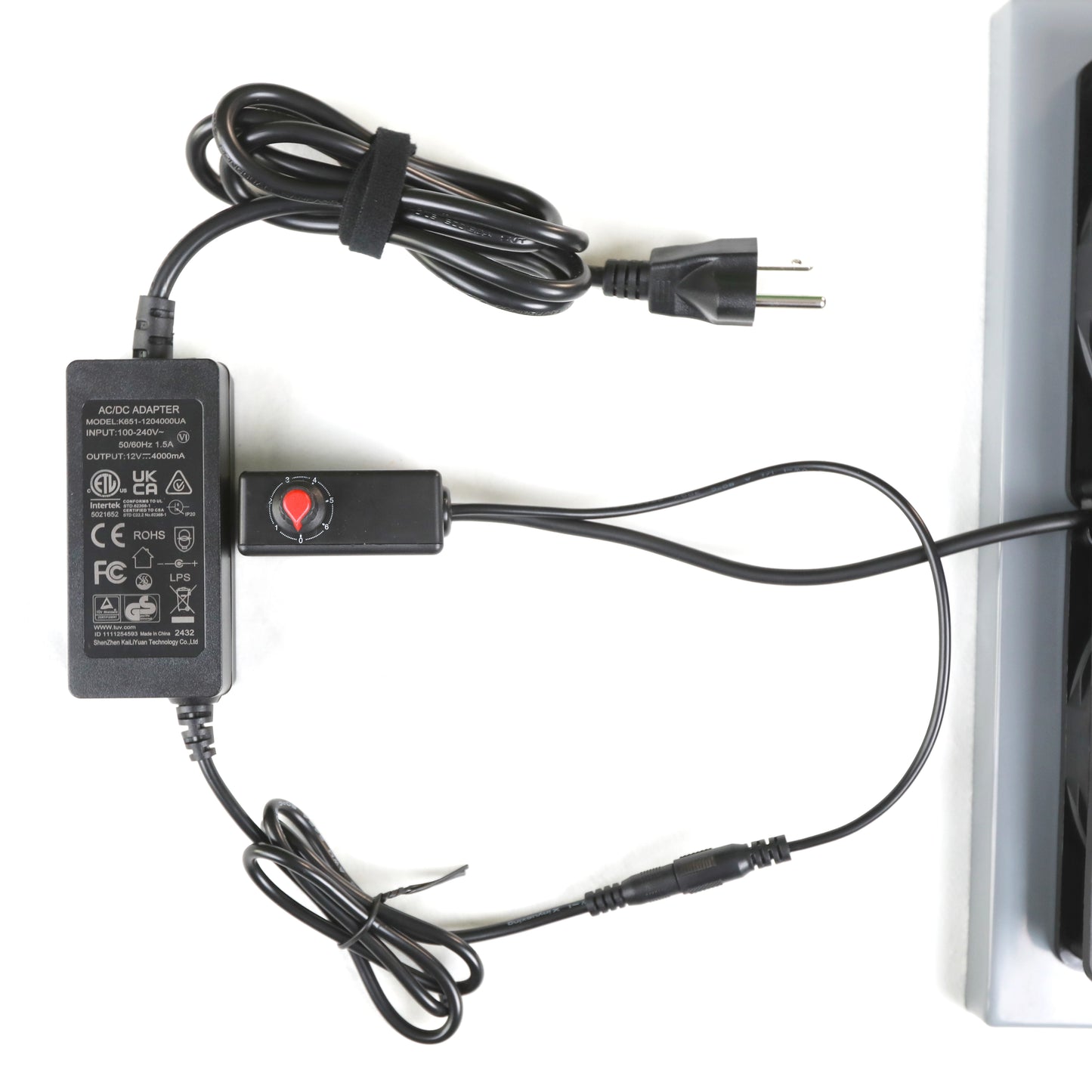
View AllWhich Plug Type Is Included?
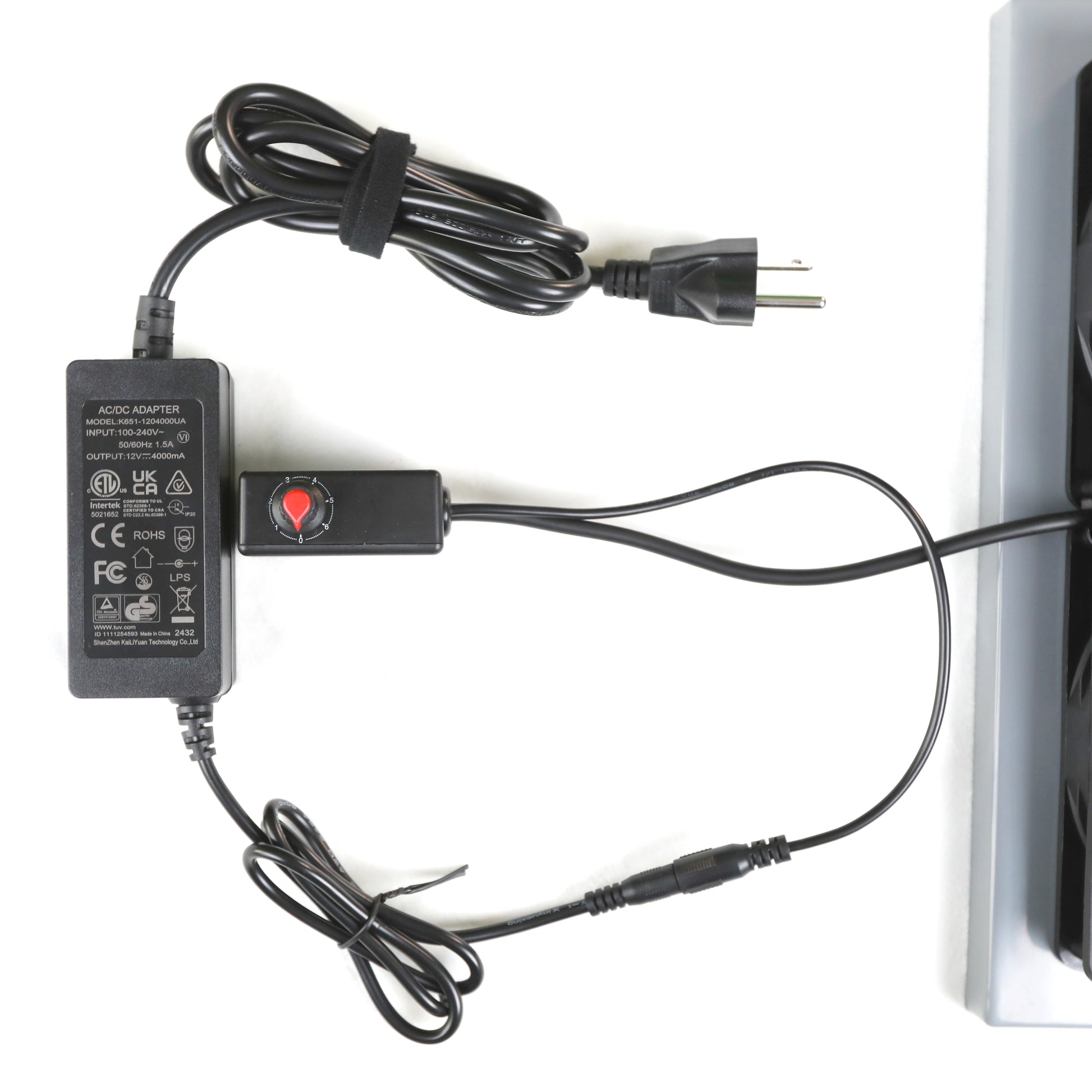
To ensure compatibility, we ship products with the correct standard plug for your region:
- For orders shipped from our local warehouses in the US, Canada, UK, Germany (covering all EU countries), and Australia, you will receive the local standard plug.
Please Note for Ireland:
Due to logistical changes, orders to Ireland are fulfilled from our EU warehouse and will come with a standard EU plug. You may need a travel adapter to use it in Ireland.
What are the CADR, power and noise level at different speed?
Here are the CADR, power and noise level in different speeds.
6 - 413CFM - 33.2watt - 55.0db
5 - 374CFM - 27.4watt- 53db
4 - 321CFM - 18.9watt - 50db
3 - 247CFM - 11.1watt - 46db
2 - 141CFM - 4.7watt - 38db
1 - 57CFM - 2.2watt - 35db
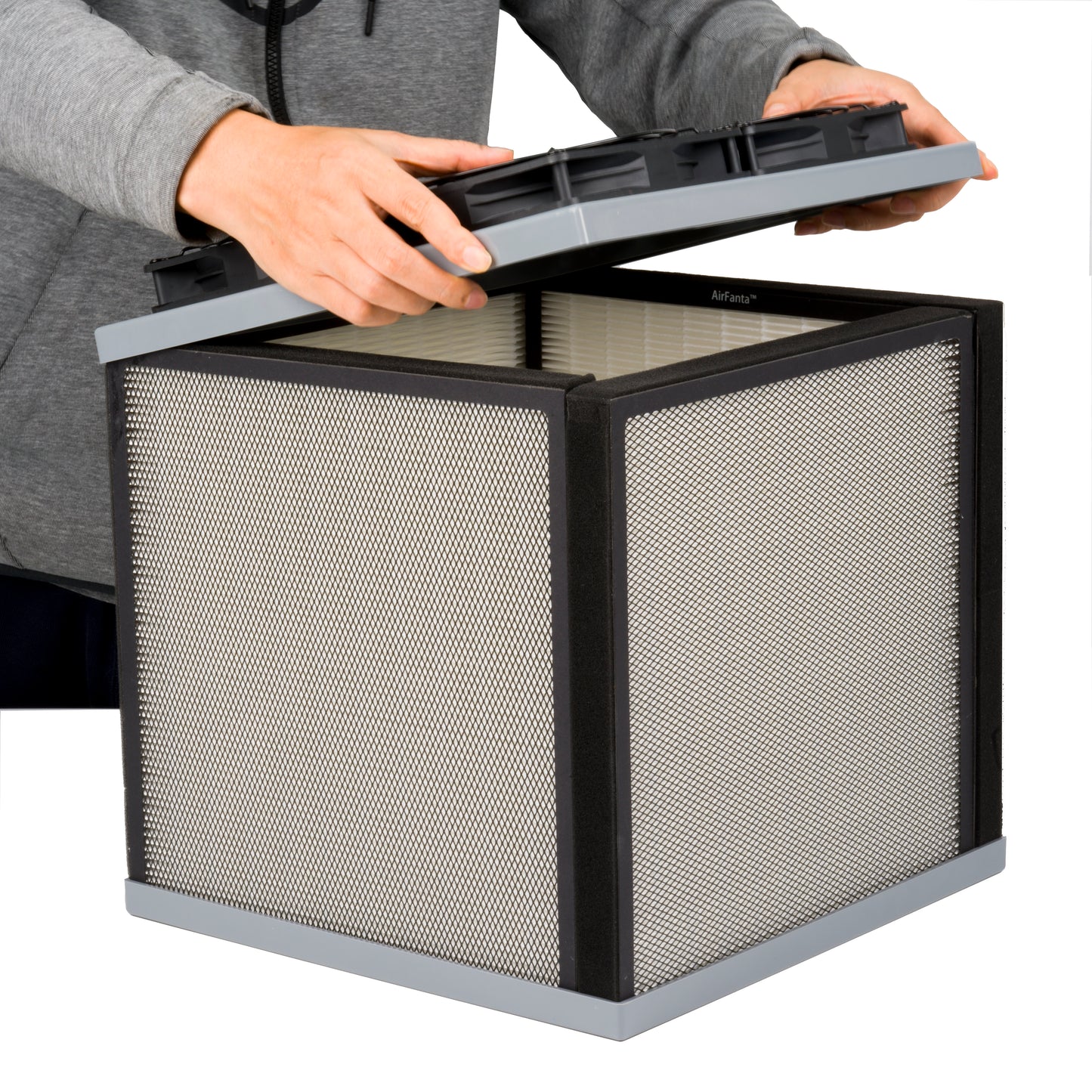
How frequently should I replace the filter?
If I want to take it to another countries which has a different voltage/Hz, do I need a voltage changer?
Is there any additional cost like shipping, tariff or VAT?
We believe in a hassle-free shopping experience with no surprise costs. Our pricing structure is designed to save you money and provide full clarity.
Our Commitment:
- Shipping: The cost for shipping is included in the product price. No extra shipping cost.
- Duties & Import Taxes: To save you time and money, we have pre-cleared most of our inventory for key markets. This means your order will ship locally with all import duties already paid by us. For other regions, such as parts of Asia, we ship directly from China and absorb the import duties ourselves. You will not be charged.
- VAT & Sales Tax: All applicable Value-Added Taxes (VAT) and sales taxes are included in the product price displayed on our site.
In short, the price you see at checkout is the final total amount you will be charged.
Is there a way to make the AirFanta 3Pro's maximum noise level lower?
It’s not a question I can answer with a simple yes or no. Before I answer it, I’d like to explain why air purifiers are often designed with a certain level of noise which is normally considered noisy—rather than being made as quiet as possible.
First, the discussion above refers only to normal aerodynamic noise. Abnormal noises like bearing rattle should always be avoided in good design.
The main source of noise in an air purifier comes from air being accelerated and colliding with itself. For a given fan, the higher the rotational speed, the greater the airflow, and the louder the noise.
Suppose Fan A:
- At 2,000 rpm, airflow is 100 m³/h and noise is 50 dB;
- At 3,000 rpm, airflow is 150 m³/h and noise is 58 dB.
Now suppose we replace it with a better fan, Fan B:
- At 2,000 rpm, airflow is 100 m³/h and noise is 48 dB;
- At 3,000 rpm, airflow is 150 m³/h and noise is 56 dB.
Under the same conditions and air flow output, Fan B is 2 dB quieter than Fan A.
So if we put Fan B into an air purifier, will the maximum noise level be reduced? This sounds counterintuitive, but usually the answer is no.
Why? Because people have different noise tolerances, and what’s acceptable can vary by situation. Also, air purifiers are sometimes used in unoccupied spaces. Therefore, one of the key goals in product design is to provide a wide adjustment range in airflow and noise to suit different users and scenarios. A wider range gives users more freedom of choice; a narrower range gives them less. The only hard constraint is that the noise must not cause harm to human health. That’s why national standards set a maximum noise limit (for example, 68 dB).
To give users the greatest freedom of choice, designers typically push the fan’s maximum speed as high as possible, bringing the maximum noise level close to the regulatory limit—this allows the purifier to deliver the highest possible CADR (Clean Air Delivery Rate) when needed.
So, if Fan B can achieve the same maximum airflow as Fan A with lower noise, the designer won’t simply lower the purifier’s maximum noise. Instead, they’ll raise the speed limit of Fan B until the noise once again approaches the regulatory limit. The end result: the maximum noise stays roughly the same, but the maximum airflow increases.
Thus, the key question isn’t whether the fan itself is quiet enough. Rather, it’s whether—it can be adjusted to a noise level that you find acceptable—and also the CADR and the price of the unit meet your expectations.
From this perspective, the AirFanta 3Pro is one of the quietest air purifier in the world. If you spend the same amount of money to buy several 3Pro units and several units from other brands—keeping the total cost equal—and set both all to the same CADR, the 3Pro will have the lowest noise level.
So, the answer to the question is:
AirFanta 3Pro can be adjusted to very quiet noise level and still can deliver a large amount of clean air, specially considering its price.